Why an open-source license outlasts any vendor policy: the Selene promise explained
Every AI coding vendor eventually re-prices its plans — Augment Code is a recent example, and the same gravity pulls on everyone else. Here’s why subscription pricing is structurally unstable, what an MIT license actually guarantees, and how Selene’s BYOK + self-host architecture shrinks the surface where promises can break.
On this page
Every SaaS product eventually gets the same question from its users: remember when you said this would be included? AI coding tools are running that cycle in fast-forward — plans announced, tiers re-drawn, features migrating between bundles. The contract between buyer and vendor is a web page, and web pages can be edited.
When AI coding policies change: Augment Code as a recent example
Over the last year, Augment Code has publicly re-packaged several features — some capabilities that shipped in the default bundle earlier now sit behind newer tiers, according to the pricing pages on the company’s site. Threads on r/augmentcode capture user confusion about what’s still included at which price.
None of that is unusual. Re-packaging while you figure out unit economics is normal commercial behaviour, and Augment has a genuinely strong retrieval story. The question isn’t whether any specific change was fair — it’s whether the customer had any way of being sure it wouldn’t happen.
Why AI coding subscriptions drift — gravity, not malice
Pricing drift on AI subscriptions is mechanical. The vendor quotes a fixed seat price against an input — model tokens — whose cost moves every quarter.
When a new flagship model ships, users want it in the same chat. The per-token spend on that model is two to five times the previous one. The subscription number on the marketing page was set before either fact existed. Every AI coding tool is running some version of this adjustment right now.
What an MIT license actually guarantees
Selene is released under the MIT License — two short paragraphs of legal text that grant anyone four concrete rights, perpetually: commercial use, modification, distribution, private use. No revocation clause. No unilateral edit button.
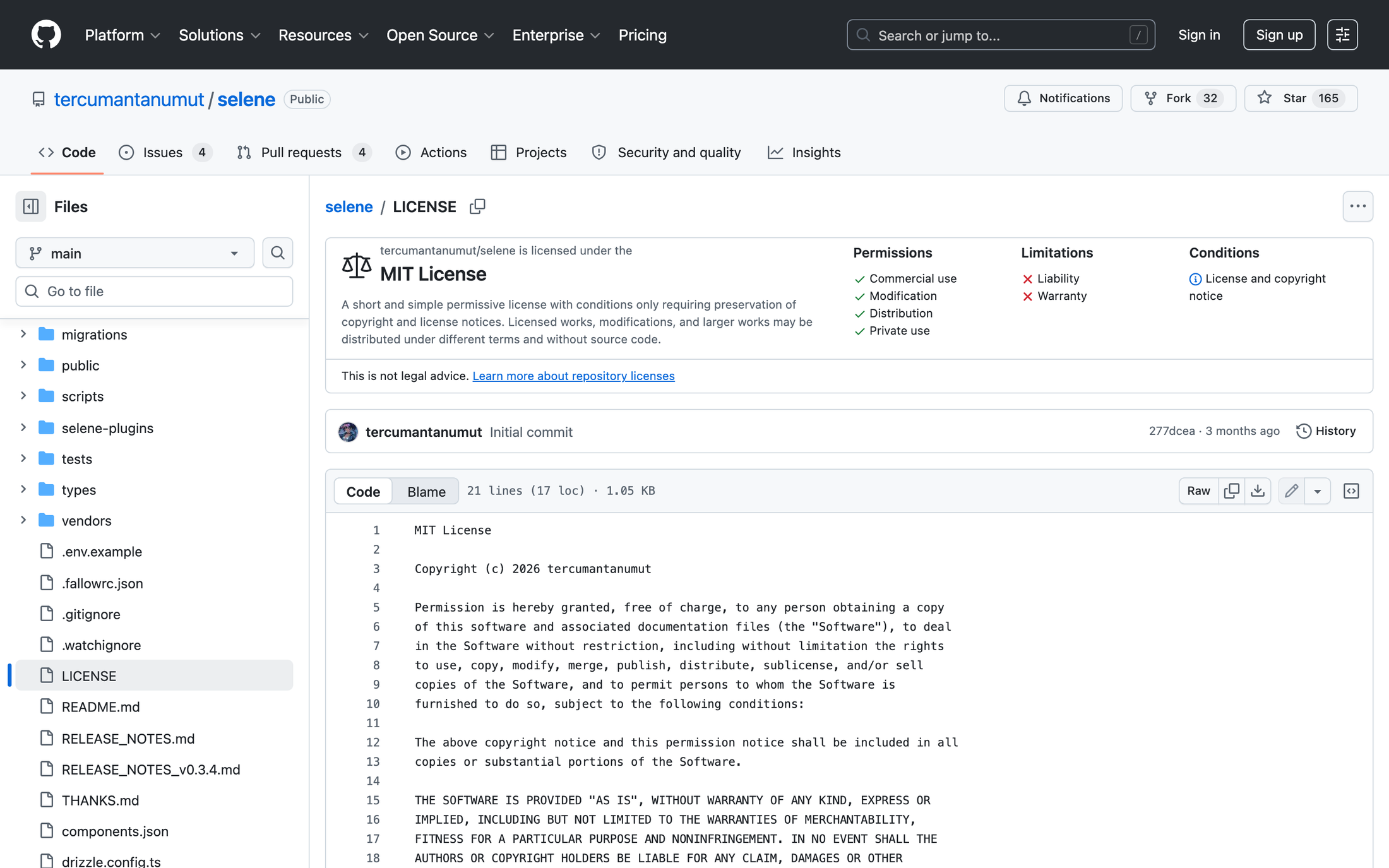
A pricing page is marketing. A license file is contract. One is designed to be updated; the other is designed to hold. The copy of Selene on your disk today stays at the terms printed today, for as long as that code runs.
The continuity test: what happens if the vendor disappears
Stress-test any AI tool choice with a cold question: if the vendor stopped operating tomorrow, how much of my work stops with it? On a cloud-only product, usually most of it — the app goes dark, the retrieval index isn’t exportable, integrations die with the account.
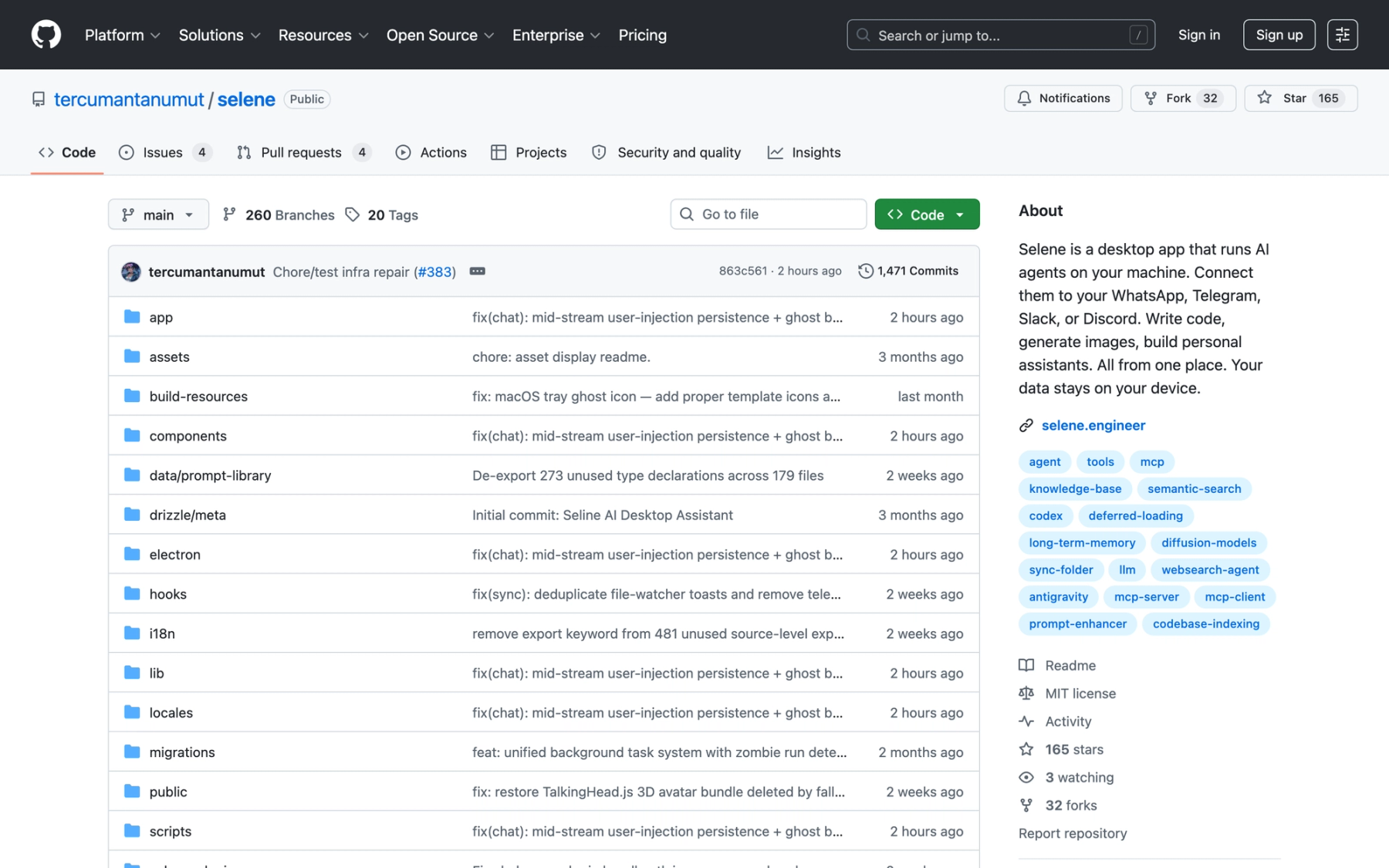
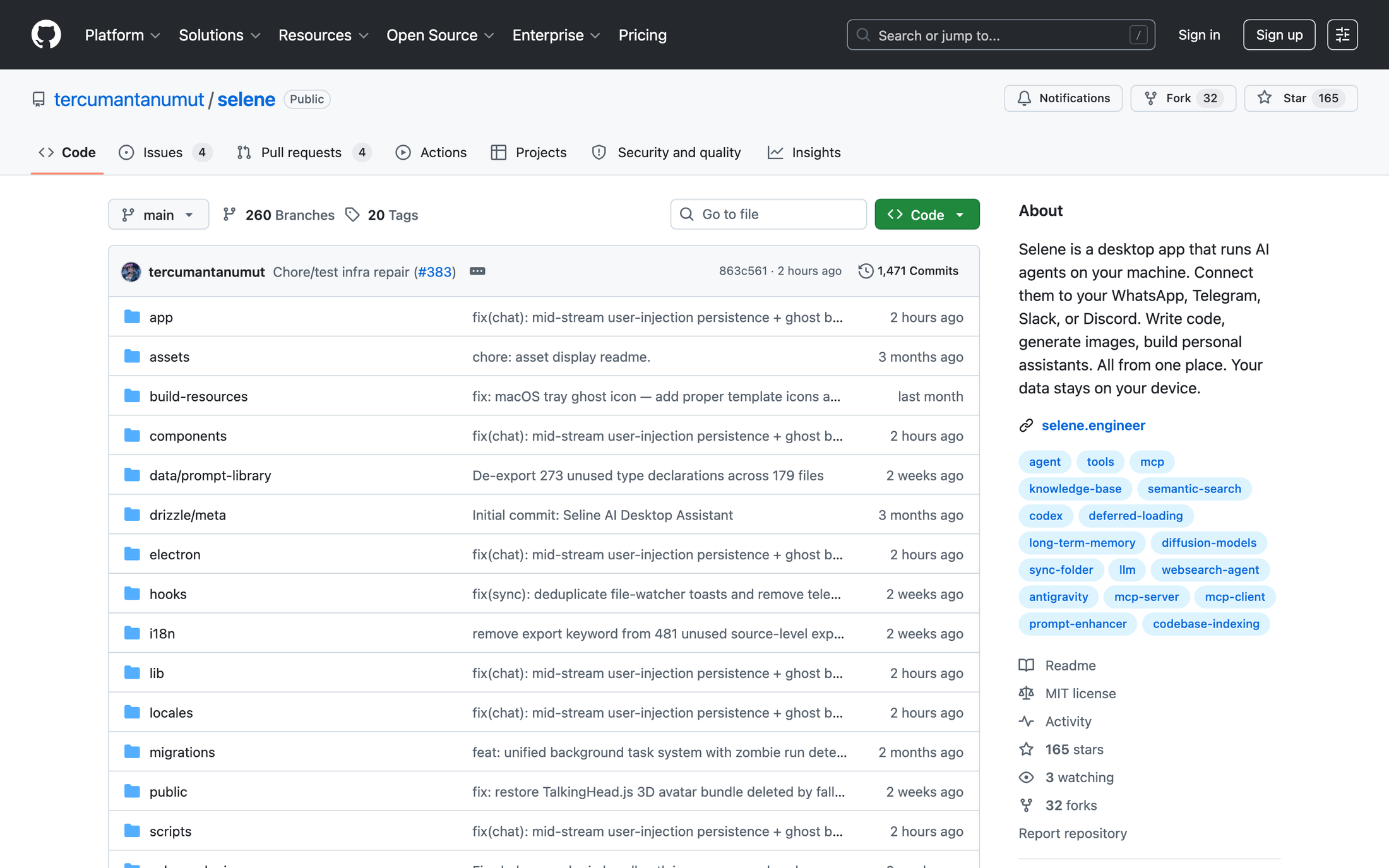
On Selene, the answer is much smaller. The app is an Electron binary on your machine. Embeddings live in a LanceDB directory on disk. Chat history is a SQLite file. Your provider keys belong to you and the model provider — never to us in between.
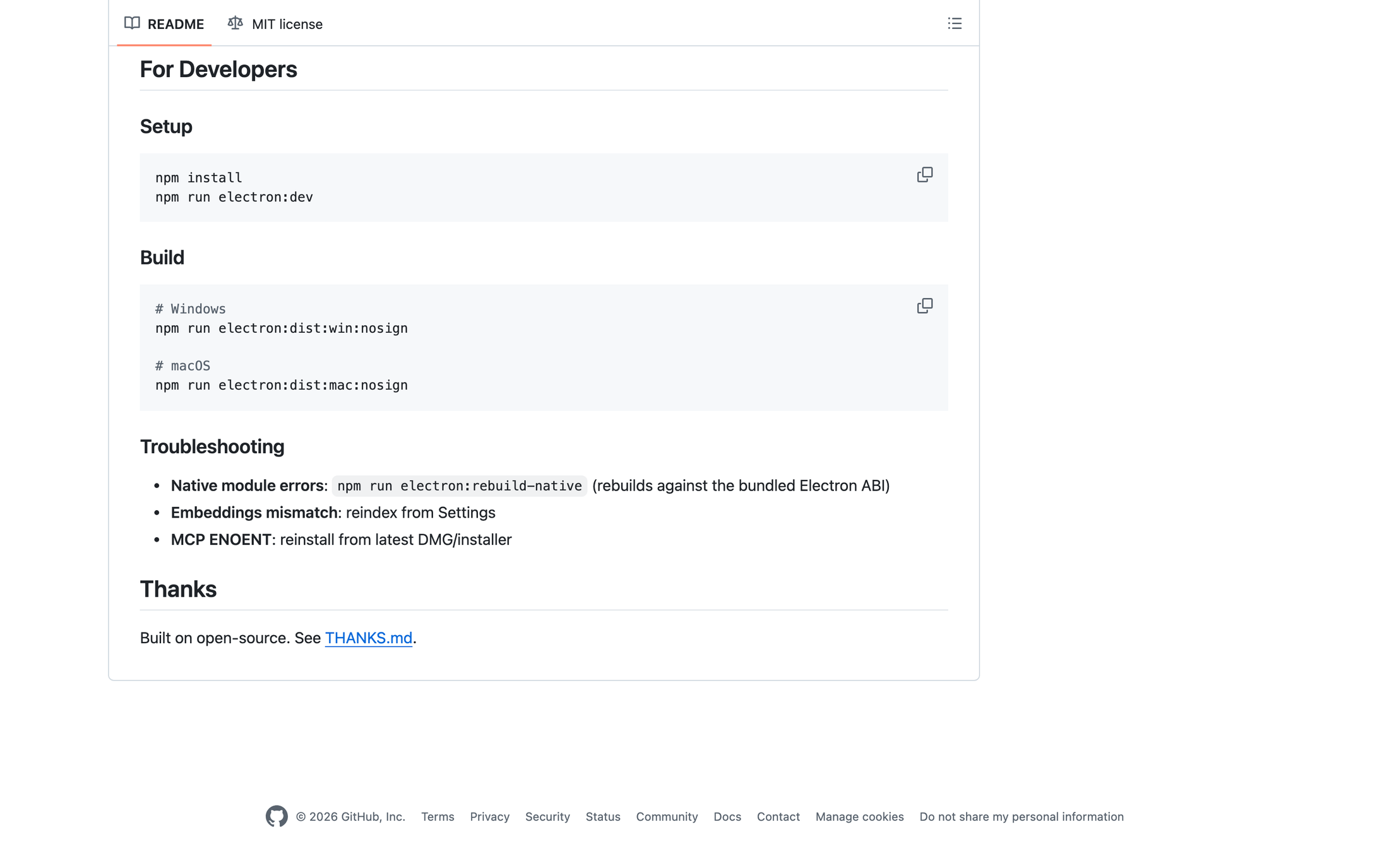
Four commands. No license server to ping, no entitlement check to fail. Clone, install, run — the same sentence in five years.
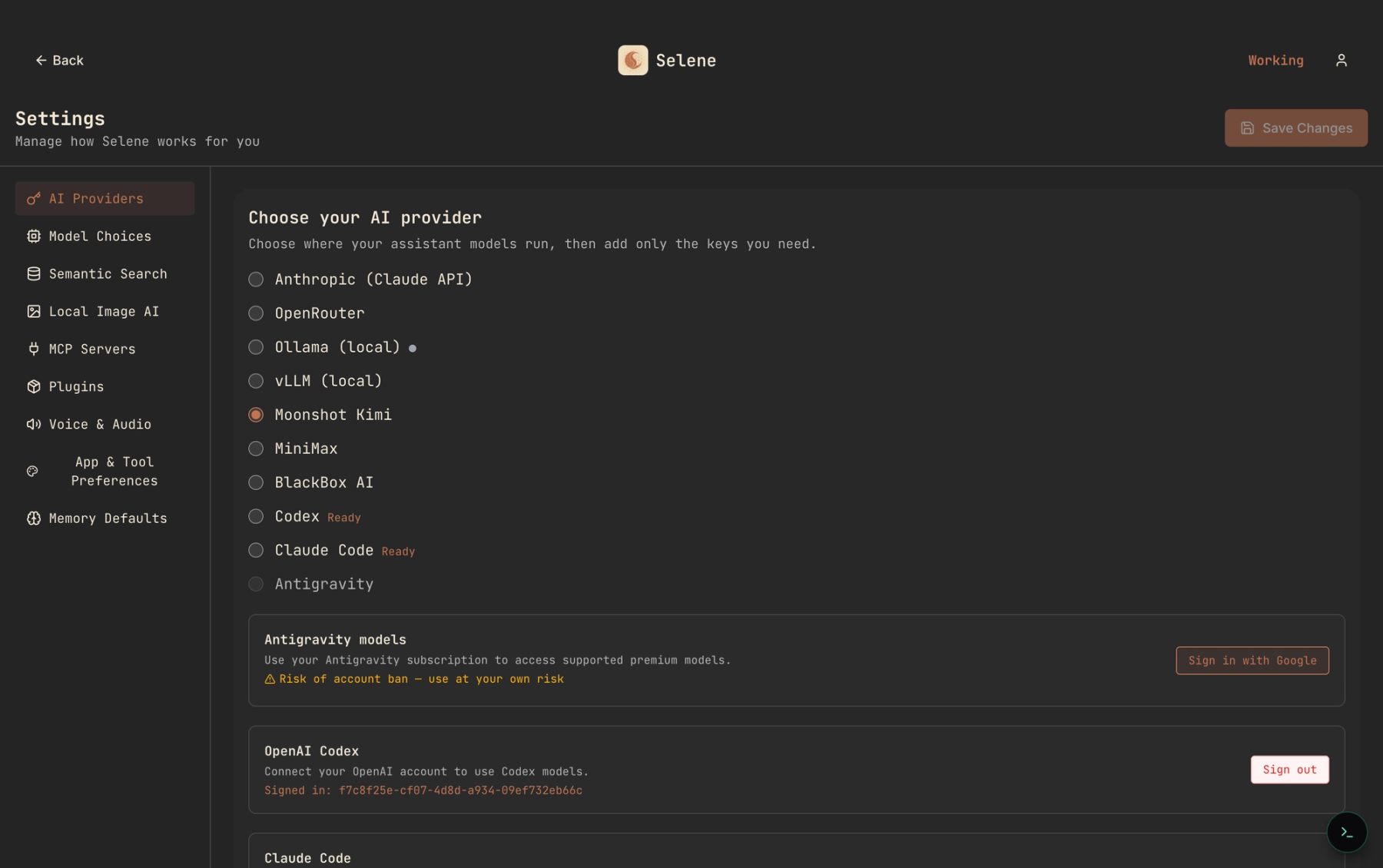
BYOK + self-host: your keys, your bill, your license
Most re-packaging conversations in AI coding are downstream of one architectural choice: does the vendor sit between you and the model provider? Selene takes the other path.
You paste in provider keys. Selene routes requests straight to Anthropic or OpenAI and you pay them directly, in cents. No credit translation, no premium bundle. If Anthropic changes pricing tomorrow, you see it one-to-one.
For individual developers, Claude Code at a flat seat price is a genuinely humane way to buy AI coding — ops work lives with Anthropic, the experience is first-party. BYOK + self-host is the better fit when the team wants the pricing surface as thin as possible and the exit cost at zero.
We’re not claiming any competitor acted in bad faith, or that open source is right for every buyer. We’re claiming something narrower: an MIT-licensed copy of Selene cannot be silently re-priced. A BYOK setup can’t have its conversion rate quietly adjusted. A local embeddings database can’t be taken away in an update.
When a vendor promise meets a repricing spreadsheet, the spreadsheet usually wins. When an open-source license meets the same spreadsheet, the license wins — because it has to. That’s the Selene promise, and it’s the only one we think we can keep.